Bonus Mechanics in Sweden's Regulated Live Roulette Apps: A Closer Look at Mobile Compliance
Jakob Lang · Nov 10, 2026
Bonus Mechanics in Sweden's Regulated Live Roulette Apps: A Closer Look at Mobile Compliance
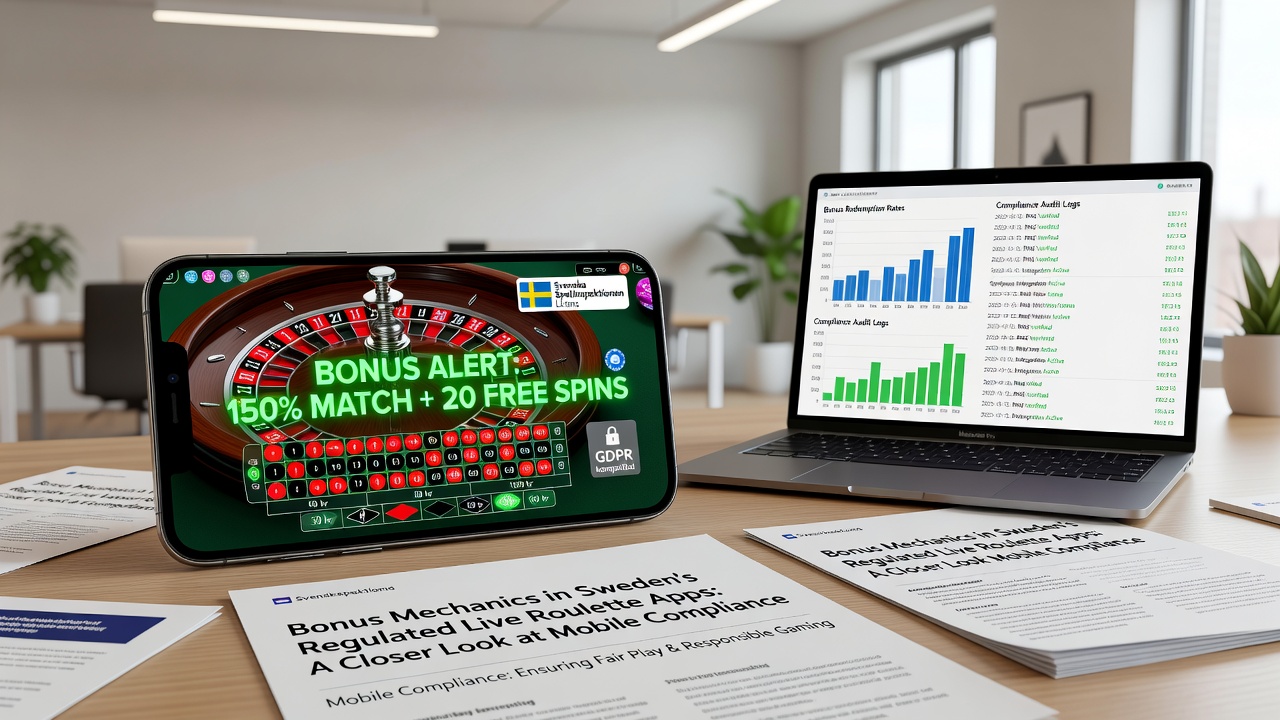
Sweden maintains a strict licensing system through Spelinspektionen that governs how operators structure bonus offers inside live roulette applications, and these rules extend directly to mobile platforms where most players now access tables. Data from the authority indicates that all bonus promotions must display clear wagering requirements, time limits, and game contribution percentages before any user deposits funds, which prevents hidden conditions from affecting roulette bets specifically.
Regulatory Framework for Bonuses in Live Roulette
Operators licensed in Sweden must separate bonus funds from real money balances at all times, and this separation carries over to mobile apps where live dealer streams run in real time. According to official guidelines, roulette bets count toward wagering at 100 percent only when players use standard chips rather than bonus credits in certain configurations, while side bets like voisins or tiers often receive lower contribution rates that range between 10 and 50 percent depending on the operator's approved terms.
Those who study compliance patterns note that live roulette apps face extra scrutiny because the game combines random number generation with human dealers, yet bonus mechanics remain identical to virtual versions under the same license conditions. Figures released in 2025 showed that mobile sessions accounted for over 70 percent of live roulette play, prompting Spelinspektionen to require app updates that force players to view bonus balances before each round begins.
Mobile-Specific Compliance Requirements
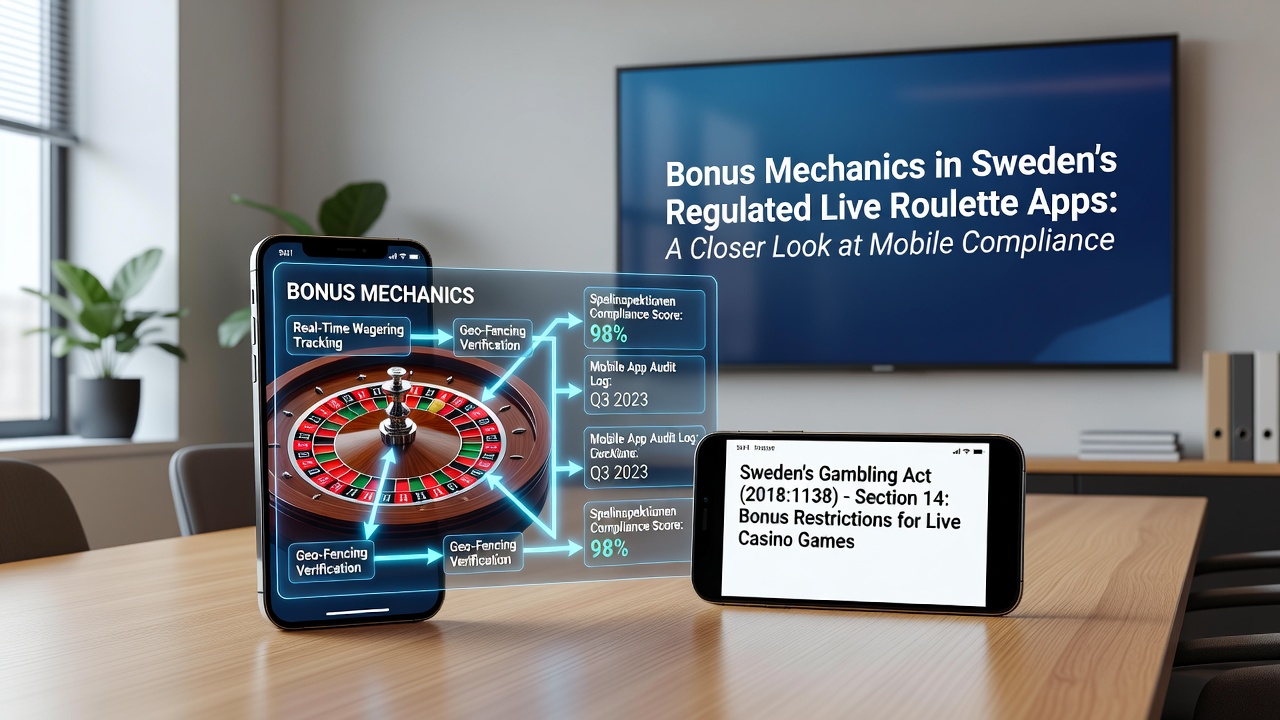
App developers integrate geofencing and identity verification directly into bonus flows so that Swedish residents cannot claim promotions while outside regulated borders, and this technology updates automatically during November 2026 when new device authentication standards take effect. Research from the European Gaming Institute indicates that mobile compliance audits now include checks for push notification wording, ensuring bonus alerts do not encourage excessive play during live sessions.
One study revealed that apps must pause bonus activation if network latency exceeds set thresholds during dealer interactions, which protects players from technical issues that could otherwise void wagers placed with promotional funds. Observers note that these pauses appear as clear on-screen messages rather than silent failures, maintaining transparency that the licensing authority demands across all approved platforms.
Common Bonus Structures and Their Limitations
Deposit match offers in live roulette apps typically carry a 20x wagering requirement on the combined deposit and bonus amount, yet only roulette bets placed on red, black, odd, or even contribute fully while column or dozen bets contribute at reduced rates. Cashback promotions, by contrast, often return a percentage of net losses from live tables and credit the amount directly to the real money balance instead of creating new bonus funds that would trigger further restrictions.
Free spin or free bet mechanics appear less frequently in live roulette compared with slots, but when operators offer them they must specify the exact chip value and table limits in advance. Data shows that mobile users encounter these offers through in-app banners that link to full terms, and operators cannot alter those terms after a player has started the wagering process.
Tracking adn Audit Processes
Every licensed app maintains detailed logs of bonus usage that Spelinspektionen can request at any time, and mobile versions transmit these logs through encrypted channels that meet the same standards applied to desktop platforms. Independent testing firms verify that bonus meters update correctly after each live spin, including cases where the wheel produces zero or double zero outcomes that affect overall wagering progress.
Those who've examined audit reports find that violations related to bonus display on mobile devices have decreased steadily since 2024, largely because developers now embed compliance checks into the app update cycle rather than treating them as separate patches. The reality is that November 2026 brings additional reporting requirements for real-time bonus balance visibility across all connected devices, including tablets and smartphones running older operating systems still supported by operators.
Conclusion
Sweden's approach to bonus mechanics in regulated live roulette apps centers on clear disclosure, technical safeguards, and consistent mobile enforcement that aligns with the broader licensing framework. Operators continue to adapt their applications to meet evolving standards, particularly as player habits shift further toward smartphones and tablets. The combination of strict contribution rules, mandatory balance separation, and upcoming November 2026 authentication updates creates a controlled environment where bonus offers remain available yet heavily monitored. External verification from bodies such as Spelinspektionen and reports issued by the European Gaming and Betting Association help maintain these standards across the market.