Regulatory Shifts Reshaping Bonus Structures for Mobile Live Dealer Blackjack in Sweden
Tina Bennett · Oct 13, 2026

Regulatory Shifts Reshaping Bonus Structures for Mobile Live Dealer Blackjack in Sweden
Sweden's gaming landscape continues to evolve under the oversight of Spelinspektionen, and operators offering mobile live dealer blackjack now face adjusted rules that directly affect bonus mechanics such as deposit matches, cashback percentages, and wagering multipliers. These changes stem from amendments to the Swedish Gambling Act that took effect after 2019, with further refinements implemented in subsequent years to address responsible gambling standards across digital platforms. Data from industry reports indicate that live dealer formats on mobile devices represent a growing segment, prompting regulators to examine how promotional incentives interact with real-time gameplay and player behavior tracking systems.
Key Amendments and Their Timeline
Amendments introduced in 2023 expanded requirements for bonus transparency, requiring operators to display wagering requirements and game contribution rates in clearer formats before players activate any promotion on mobile applications or browsers. This adjustment coincided with updates to technical standards for live streaming feeds, ensuring that blackjack tables maintain consistent rules regardless of device used. Observers note that these measures align with broader European Union directives on consumer protection in online services, while Sweden maintains its national licensing framework separate from other member states. Figures from regulatory filings show a measurable shift in how many operators revised their bonus terms for table games between 2022 and 2024, particularly for live dealer variants that allow side bets and multi-hand options.
Impact on Mobile Live Dealer Blackjack Bonuses
Bonus structures for mobile live dealer blackjack have seen specific modifications, including caps on maximum bet sizes during bonus rounds and limitations on combining multiple promotions within a single session. Operators must now ensure that live blackjack contributes no more than a set percentage toward wagering requirements, a rule designed to prevent rapid clearance of bonuses through high-volatility table play. Research indicates that mobile users often engage in shorter sessions compared to desktop players, leading regulators to scrutinize autoplay features and quick-deposit functions tied to bonus activation. Those who have reviewed licensing applications report that new entrants to the Swedish market receive detailed guidance on structuring these incentives to comply with player fund segregation rules.
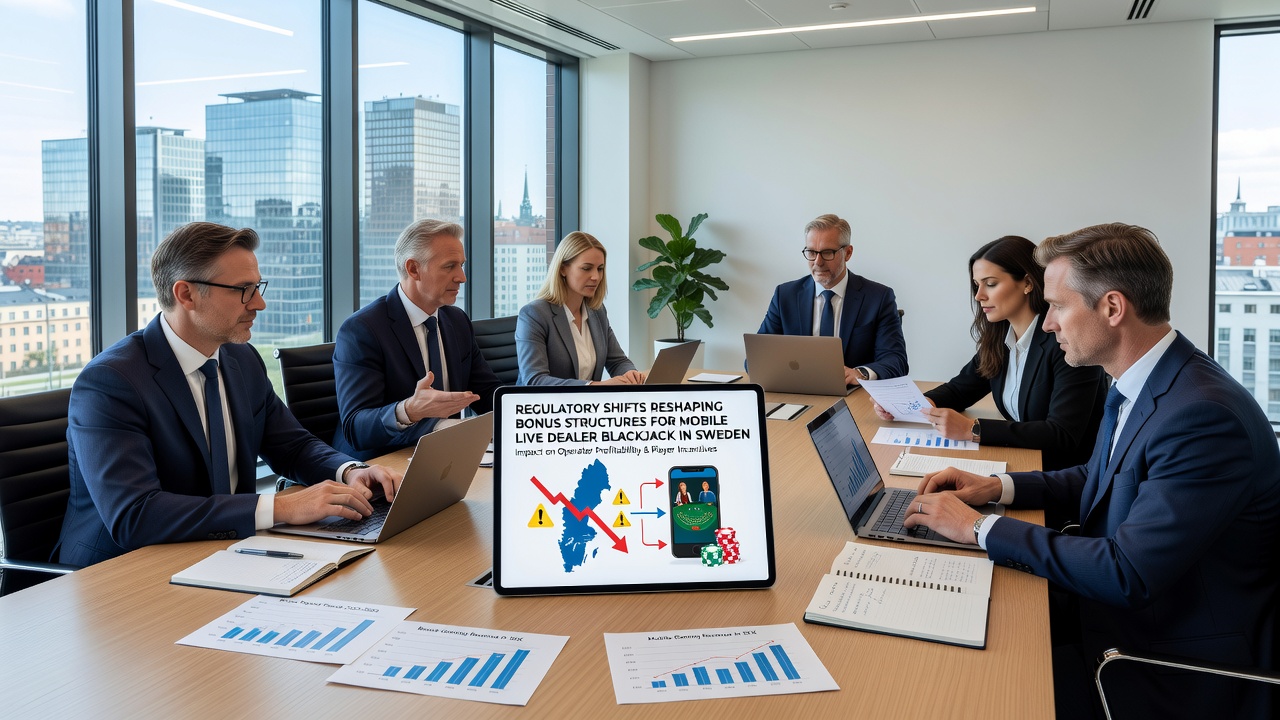
Additional guidance issued ahead of October 2026 introduces stricter verification protocols for bonus eligibility, requiring operators to cross-reference player accounts against national self-exclusion registers before crediting any promotional funds. This step builds on existing tools that already block excluded individuals from accessing live dealer tables, yet extends the checks to promotional claims specifically. Industry associations have documented how these protocols integrate with real-time monitoring dashboards used by compliance teams, allowing immediate suspension of bonus play when risk indicators appear. Data compiled across licensed platforms reveals that live blackjack sessions on mobile devices account for a notable portion of bonus-related activity, which explains the focused regulatory attention on this format.
Operator Adjustments and Compliance Measures
Operators have responded by recalibrating bonus percentages and introducing tiered structures that differentiate between slots and table games such as live dealer blackjack. Some have implemented daily loss limits that apply uniformly whether a player uses bonus funds or their own deposits, a measure that satisfies both responsible gambling criteria and bonus fairness requirements. External analysis from the European Gaming and Betting Association highlights similar patterns across regulated markets, where table game bonuses receive tighter controls than those attached to other categories. Swedish licensees must submit detailed reports on bonus redemption rates quarterly, providing Spelinspektionen with datasets that track average wagering completion times for mobile live blackjack players.
Training programs for customer support staff now include modules on explaining revised bonus terms in multiple languages, since many mobile users access Swedish-licensed sites from outside the country during travel periods. Technical updates to game clients ensure that bonus balances display separately from cash balances at all times, reducing confusion during live dealer rounds where decisions occur rapidly. These changes reflect ongoing collaboration between the regulator and software providers to maintain consistent user experiences across iOS and Android environments.
Broader Context Within European Regulation
Sweden's approach intersects with wider European efforts to standardize certain aspects of online gambling oversight, although each jurisdiction retains authority over its own licensing conditions. Reports from academic institutions studying digital gaming behaviors note that live dealer formats create unique regulatory challenges because of the human element in gameplay pacing and dealer interactions. Swedish rules emphasize that bonus conditions cannot disadvantage players who prefer mobile access over other methods, a principle that influences how operators design interface elements and notification systems. Licensing statistics demonstrate steady growth in the number of approved mobile live dealer blackjack titles, accompanied by corresponding updates to promotional guidelines that keep pace with technological advancements in streaming quality and latency reduction.
Conclusion
Regulatory developments continue to influence how bonuses function within Sweden's mobile live dealer blackjack offerings, with compliance requirements scheduled through October 2026 reinforcing transparency and player protection measures. Operators adapt their promotional frameworks to meet these standards while maintaining competitive product features, supported by data collection that informs future refinements. The resulting environment emphasizes clear communication of terms and consistent application of rules across all devices and game formats.